
A Practical Guide to Solar and EV Technologies: Insights from A1 SolarStore
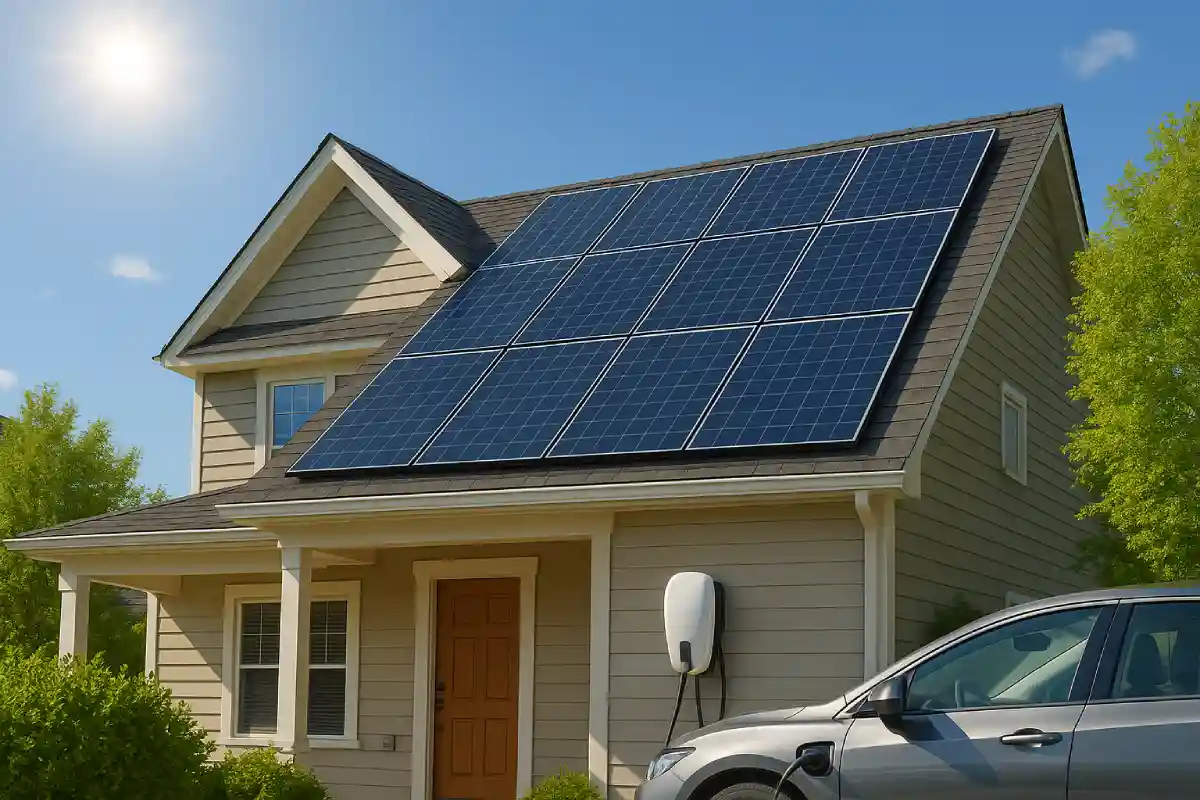
A step-by-step educational guide based on five A1 SolarStore articles — from choosing solar panels to understanding commercial systems, EV charging, and advanced solar innovations.
Why this guide matters
The world is moving toward clean energy — fast. Solar panels power homes and offices, electric vehicles are becoming mainstream, and new technologies are changing how we store and use energy every day.
If you’re just beginning to explore renewable energy, the amount of information can feel overwhelming. That’s why the experts at A1 SolarStore have created clear, practical articles that help readers understand solar power step by step.
This guide summarizes five of their best resources — your roadmap to understanding solar and EV technologies, from the basics to the breakthroughs.
Step 1: Learn the fundamentals — choosing the right solar panels
Every solar journey starts with a simple question: Which panels should I install?
In How to choose solar panels for home and commercial use, A1 SolarStore explains the core differences between the main types of panels:
- Monocrystalline – efficient and sleek, ideal for limited roof space.
- Polycrystalline – more affordable, with solid all-around performance.
- Thin-film – lightweight and flexible, great for larger installations or special surfaces.
The article also walks you through efficiency ratings, power output, and warranties — so you can make an informed decision whether you’re outfitting a home, office, or industrial building.
📘 Goal: Understand the types of solar panels and how to choose the best one for your project.
Step 2: See how solar fits small businesses
Once you know the basics, it’s time to look at how solar can be applied in the real world — starting small.
Solar panels for small business: Brightening the bottom line focuses on how solar installations help small and medium-sized enterprises reduce costs and operate more sustainably.
The article covers:
- How much small businesses typically save on electricity bills.
- Tax credits and financing options available in the U.S.
- How going solar strengthens a company’s eco-friendly reputation.
By investing in solar, even modest-sized businesses can gain long-term stability and appeal to customers who care about sustainability.
📘 Goal: Learn how solar energy helps small businesses cut costs and build trust.
Step 3: Scale up — commercial solar systems explained
For larger companies, solar becomes a strategic decision rather than a single purchase.
Make sun your partner: Introduction to commercial solar systems dives into the bigger picture:
- The difference between grid-tied, off-grid, and hybrid solar setups.
- How to calculate return on investment for large installations.
- Why corporate solar systems are now seen as assets rather than expenses.
Commercial solar systems aren’t just about saving on electricity — they help businesses stabilize operations, control future energy costs, and demonstrate real environmental leadership.
📘 Goal: Understand how large-scale solar systems work and why companies invest in them.
Step 4: Explore advanced solar — energy after dark
Traditional solar panels stop producing power when the sun sets, but some technologies keep going.
In Concentrated Solar Power: The renewable energy technology that works after dark, A1 SolarStore introduces CSP (Concentrated Solar Power) — a method that uses mirrors to focus sunlight and store thermal energy for nighttime use.
This article explains:
- How CSP systems convert heat into electricity using molten salts or steam.
- The main types of CSP plants used today.
- The role of this technology in balancing renewable energy grids.
It’s a fascinating glimpse into solar’s future — where renewable energy is no longer limited by daylight.
📘 Goal: Discover how new technologies extend solar power’s potential beyond daylight hours.
Step 5: Connect solar to mobility — EV charging for modern life
The last piece of the puzzle links renewable energy to everyday transportation.
What is Tesla destination charging? Your complete guide to slower, smarter EV charging explains Tesla’s destination charging model — a convenient network of Level 2 chargers located at hotels, restaurants, and workplaces.
Unlike fast Superchargers, destination chargers work quietly in the background. You plug in your car while you go about your day — sleep, dine, or shop — and by the time you’re ready to leave, your vehicle is too.
For businesses, offering EV charging is more than just a service — it’s a way to attract visitors, build brand value, and support a cleaner future.
📘 Goal: Learn how EV charging infrastructure fits into the renewable energy ecosystem.
Putting it all together
These five articles together form a complete educational journey — from the basics of panel selection to the future of solar energy and mobility.
- Start small: Learn how panels work and choose your system wisely.
- Think broader: See how solar supports businesses, from startups to corporations.
- Look ahead: Explore technologies that store sunlight and integrate with EV charging.
Clean energy isn’t just a technological shift — it’s a mindset. With the right knowledge, anyone can take part in building a more sustainable world.
And that’s exactly what A1 SolarStore offers: not just products, but understanding — the first and most important step toward a brighter, solar-powered future.